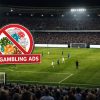
France is preparing to introduce one of the most restrictive gambling advertising frameworks in Europe by implementing a full blackout on gambling advertisements during live sports broadcasts. The proposed regulation is expected to take effect ahead of the 2026 FIFA World Cup and could significantly reshape the marketing ecosystem for licensed online casino and sports betting operators across the European Union.
The primary objective behind this policy is to reduce gambling exposure among minors and vulnerable audiences during high-engagement televised sporting events. However, industry analysts are already warning that such a move could produce unintended consequences, including increased migration of marketing spend toward affiliate channels and SEO-driven acquisition strategies.
What the Proposed Gambling Advertising Blackout Includes
The planned blackout will introduce strict limitations on when and how gambling operators can advertise their services during sports programming. Under the proposal, gambling advertisements would be prohibited within specific time windows surrounding live sporting events.
Key Restrictions Expected Under the New Policy
The regulation may include the following measures:
• A ban on gambling advertisements during live sports broadcasts
• Prohibition of betting brand logos on digital LED boards shown on TV
• A 5-minute advertising blackout before and after sporting events
• Restrictions on sponsorship messages during match commentary
• Limits on promotional offers displayed during halftime
This means that operators will effectively lose access to one of their most valuable acquisition channels — televised sports audiences.
Why France Is Introducing These Restrictions
French authorities are placing increased emphasis on consumer protection, particularly among young adults aged 18 to 25 who are statistically more susceptible to gambling-related harm.
Recent regulatory consultations highlighted:
• Increased exposure of minors to betting advertisements
• A growing overlap between sports fandom and online gambling
• Rising levels of problem gambling among young digital users
As a result, regulators are seeking to decouple sports entertainment from real-money wagering promotion.
Additionally, policymakers believe that limiting gambling visibility during major sporting events such as the World Cup will reduce impulsive betting behaviour driven by real-time match dynamics.
Impact on Licensed Online Casino and Betting Operators
For licensed operators within France and across the broader EU market, the blackout is expected to disrupt traditional marketing pipelines.
Sports broadcasts have historically served as:
• A primary customer acquisition channel
• A high-ROI advertising platform
• A brand awareness driver in competitive EU markets
With this channel restricted, operators may need to reallocate marketing budgets toward alternative digital strategies, including:
• Affiliate partnerships
• Organic search optimization
• Influencer-based campaigns
• Content marketing platforms
This shift is likely to benefit high-authority review websites and SEO-focused casino portals targeting EU players.
Affiliate Marketing and SEO as Alternative Acquisition Channels
As paid media opportunities decline, affiliate traffic is expected to become a central component of player acquisition strategies across regulated EU markets.
Operators may increasingly rely on:
• EU online casino comparison platforms
• Bonus review sites
• Payment method guides
• Non-verification casino content
SEO-optimized websites offering localized insights into:
• Payment methods
• Withdrawal speeds
• Licensing jurisdictions
• Game libraries
will likely see an uptick in both traffic and partnership opportunities.
This creates a favourable environment for affiliate networks operating within multilingual EU segments where traditional advertising channels are subject to regulatory pressure.
Potential Risks: Black Market Expansion
While the blackout is designed to enhance consumer protection, industry experts warn that excessive advertising restrictions could inadvertently drive players toward offshore gambling platforms operating outside EU regulatory frameworks.
Possible outcomes include:
• Reduced visibility of licensed operators
• Increased search demand for international casinos
• Growth in offshore betting activity
• Decline in brand trust toward regulated platforms
Players unable to identify licensed services through traditional media may instead rely on organic search results, making search engine visibility a critical compliance and acquisition factor.
EU-Wide Implications of the French Model
France is not the only EU member state evaluating stricter advertising policies. Regulators in:
• Spain
• The Netherlands
• Ireland
are already considering similar blackout frameworks for televised sports programming.
If adopted more broadly, this model could lead to:
• A decline in paid gambling media placements
• A rise in compliance-driven marketing
• Increased reliance on SEO and affiliate ecosystems
Ultimately, this would mark a structural shift in how online casino operators engage with EU-based audiences.
Conclusion
France’s proposed gambling advertising blackout during sports broadcasts represents a significant turning point for the European iGaming industry. While the regulation is aimed at improving consumer safety and reducing youth exposure to betting content, it also has the potential to reshape operator marketing strategies across the EU.
Affiliate marketing, organic search traffic, and content-driven acquisition models are expected to become increasingly important as traditional broadcast advertising becomes less accessible.
With the 2026 World Cup approaching, the French regulatory framework may serve as a blueprint for other EU nations seeking to balance consumer protection with sustainable gambling market growth.